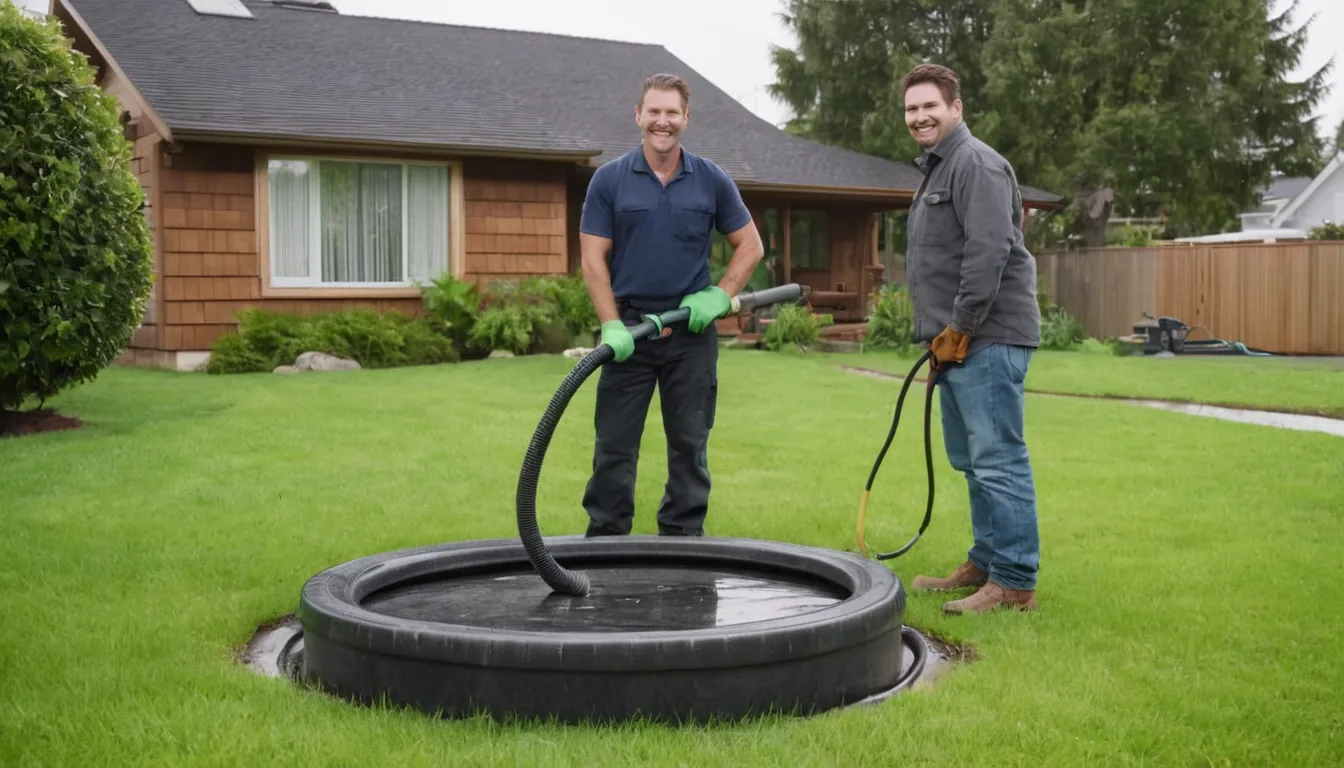
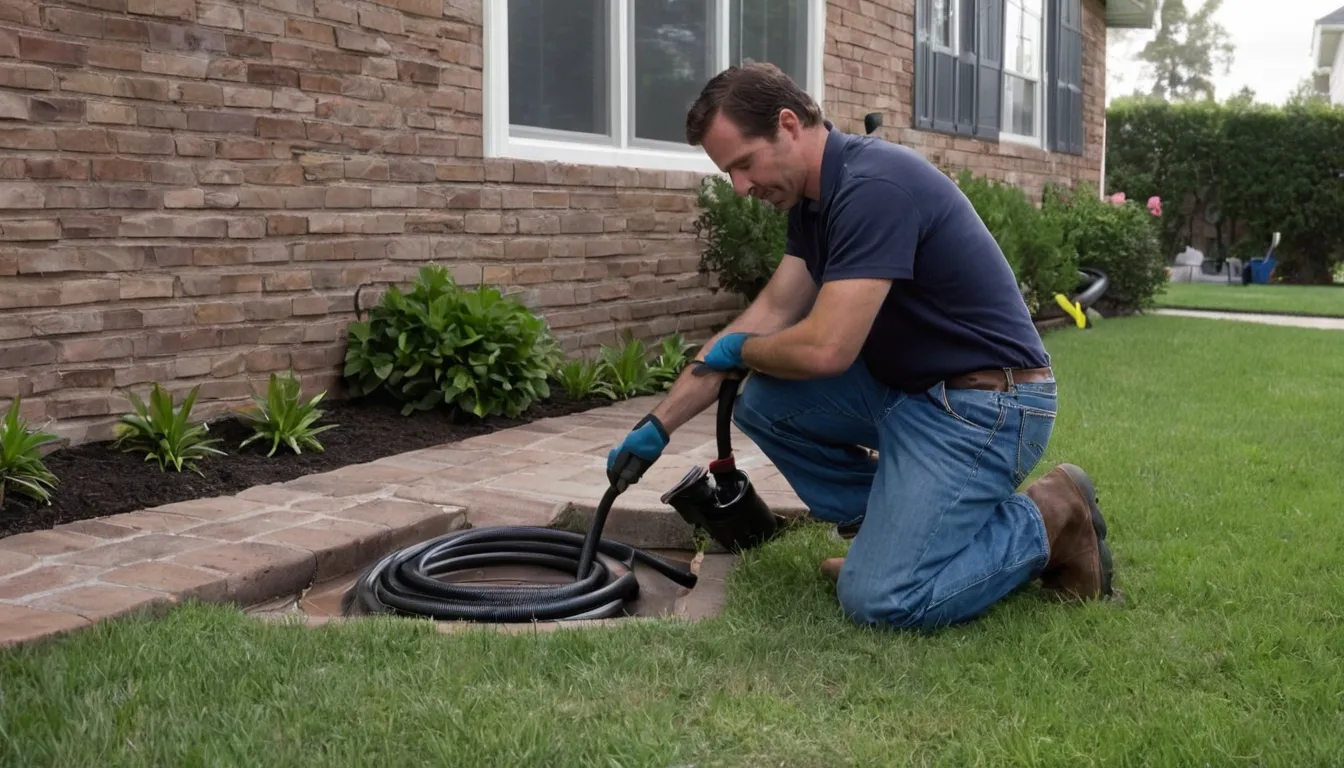
A septic problem is stressful, but fixable
A gurgling drain, a soggy patch in the yard, or a toilet that will not clear can make your stomach drop. Take a breath. This is a common problem, and there are clear steps to follow.
Thecharges Septic is a referral service. We connect homeowners in Brunswick and the Brunswick area with independent providers in our network who handle septic tank pumping and sewer line repair. We do not do the work ourselves. A local provider does.
Timing matters with these problems. In the first hours, a backup is often small and easy to contain. Over the next days, wastewater can soak floors, stress the drainfield, and add cost. Acting early usually keeps the job smaller.
Request a callback to check provider availability for your address and situation. Many providers can respond quickly, though hours vary by provider.
Request Service
Would you rather write it down first? You can request an estimate and describe what you see. There is no obligation.
Request Service
How it works
What happens as time passes
Septic and sewer trouble rarely stays still. Knowing the usual path can help you decide when to reach out.
The first hours
You may notice slow drains, gurgling, or a sour smell. A tank that is simply too full can often be handled with pumping. This is the easiest stage to deal with. Keep water use low and avoid flushing extras.
The first few days
If nothing changes, wastewater can back up into low drains or pool in the yard. Soil near the tank may stay wet. The drainfield can start to clog with solids, which makes later repair harder. Emergency septic cleaning may be worth asking a provider about at this point.
A week or longer
Slow problems become bigger ones. Floors, walls, and stored items can be affected. A stressed drainfield may need drainfield repair, and a cracked or blocked sewer line may need digging or lining. These jobs take more time and usually cost more than early pumping.
How the referral works
You call or send a request. We pass your details to a provider in our network. That provider talks with you, looks at the problem, and gives a written quote before starting. You decide whether to go ahead.
What you can ask about
Providers can discuss septic tank pumping, sewer line repair, drainfield concerns, and in some cases water well service questions when a well sits near the system. Ask what is included, what could change the price, and how long the work may take.
Serving Brunswick and nearby
Thecharges Septic focuses on Brunswick and the Brunswick area. Homes here range from older frame houses to bungalows and ranch-style homes, and many have full basements. Each layout shows trouble in its own way, so a local provider's eye matters.
If you live just outside town, you may have a private septic system, and maybe a well nearby. Providers in our network know that setup. Some can talk through water well service questions along with the septic side, so you can raise both in one conversation.
Provider coverage changes from street to street and week to week. That is why the first step is simple: Request a callback to check which providers are available near you.
Request Service
Not sure what you are looking at yet? That is fine. Describe the smell, the sound, or the wet spot, and a provider can help you work out likely causes. You can also send a request for an estimate and wait for a reply.
Request Service
After you share your address, we pass your details to a provider who serves your part of the area. The provider contacts you, explains the options, and gives a written quote before work starts.
What local weather and homes mean for septic
Why local conditions matter
Where you live shapes how septic and sewer trouble shows up. A few local patterns come up again and again.
Deep frost in winter
Cold winters can freeze soil deep down. Frozen ground can stress buried pipes and slow how the drainfield takes in water. A line that seemed fine in fall may show a problem by late winter.
Spring flooding
Melting snow and heavy rain can saturate the ground. A soaked drainfield cannot absorb wastewater well, so backups become more likely. Sump pumps work harder too, which is worth keeping in mind.
Hot, humid summers
Warm weather speeds up odors and makes a leak or overflow more noticeable. Heavy summer use, such as guests and laundry, can fill a tank faster than you expect.
Thunderstorms and hail
Severe storms can drop a lot of water in a short time. Power cuts can also stop pumps. After a storm, check drains and the yard for signs of trouble.
Full basements
Many homes here have full basements with sump pumps. A basement floor drain is often the first place a sewer backup appears, so watch it closely.
Older frame houses
Homes built many decades ago may have aging pipes. Clay, cast iron, or worn older materials can crack or let in tree roots over time.
Bungalows and ranch homes
One-level homes often have long, low pipe runs. A slow spot in one drain can point to a problem farther along the line. A local provider can help trace it.
Good habits all year
Space out heavy water use, keep grease and wipes out of drains, and note when your tank was last pumped. Small habits can keep small problems small.
Start with a call
If something feels off, you do not have to figure it out alone. Request a callback to check provider availability and talk through what you are seeing. Hours vary by provider.
Request Service
Prefer to send details first? Request an estimate and a provider in our network will follow up. There is no obligation, and you choose what happens next.
Request Service