Need septic tank pumping services in Brunswick?
Tell us what you are seeing at home. Request a callback to check provider availability, or send a request and a local provider in our network will follow up.
No obligation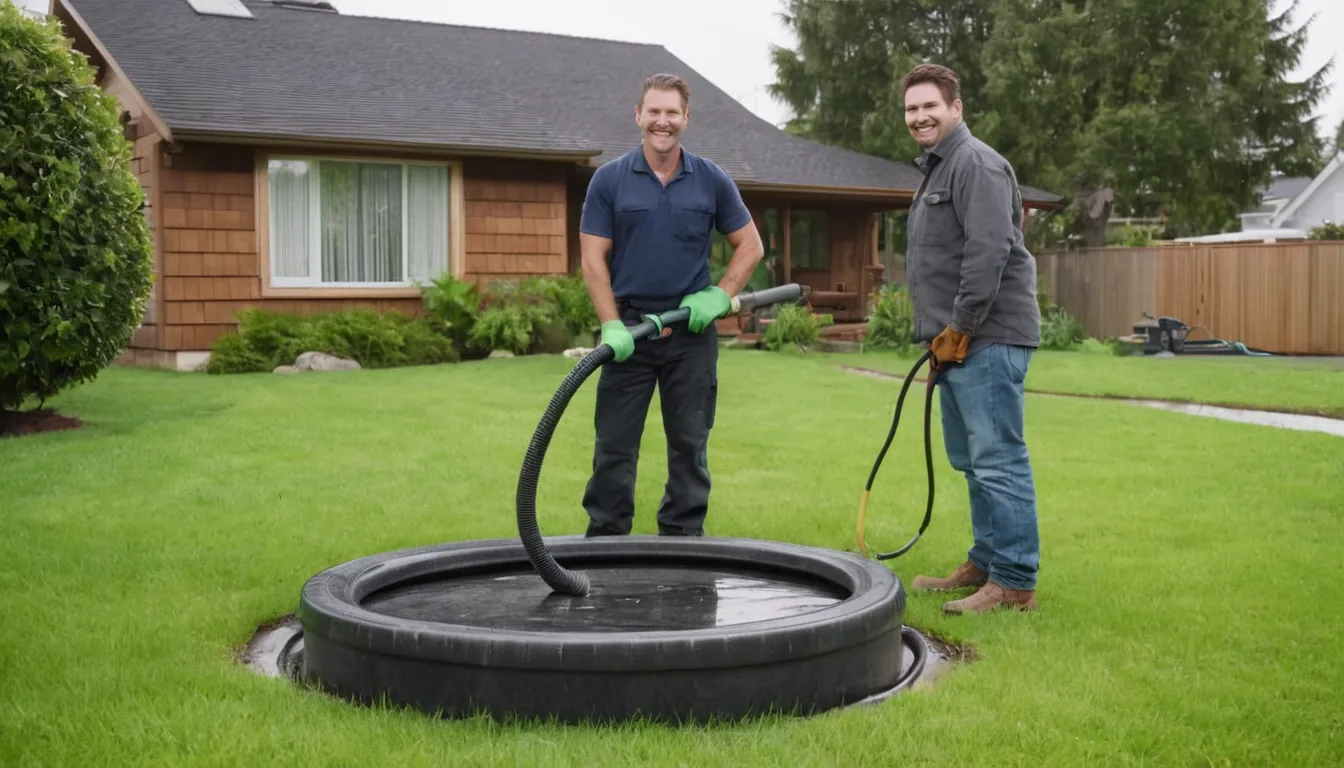
A septic tank slowly fills with solids over the years. When it gets too full, drains slow down, odors show up, and wastewater can back up into your home. Septic tank pumping removes that buildup so your system can work again. It is one of the simplest ways to protect your home and your yard.
Thecharges Septic is a referral service. We do not pump tanks. We connect homeowners in Brunswick, OH and the Brunswick area with independent local providers who do the work. This page explains what happens as hours turn into days, what your options are, and what to ask before anyone starts. Take a breath. You have time to make a calm choice.
Slow drains. A gurgle in the pipes. A damp, smelly patch in the yard. These signs can feel scary. Breathe, then act. A full tank is usually a fixable problem, and it is smaller if early.
Septic tank pumping removes the sludge and scum that build up inside your tank. An independent provider does the work. Thecharges Septic helps you reach one in the Brunswick area.
At first, the signs are easy to miss. A toilet flushes slowly. A sink drains with a gurgle. You may smell something mild near the tank lid or a basement drain.
Heavy rain can make this worse. Spring flooding and wet soil slow how fast water leaves your system. A tank that was almost full can tip over the edge.
After a few days, wastewater has less room to go. It can push back up into the floor drain or a basement bath. Many frame houses and ranch homes here have full basements, so that low spot is often the first to show trouble.
Solids can also move out toward the drainfield. That is the bigger worry. Soaked soil is slow to recover, and drainfield repair costs far more than pumping.
If sewage is coming up indoors, stop using water and ask about emergency septic cleaning. Many providers can respond quickly, though availability varies.
A tank left full for weeks can clog the drainfield pipes and soil with grease and solids. Then pumping alone may not be enough. Cold winters add another twist. Deep frost can stiffen the ground and make the lid hard to reach.
This is why timing matters. Early pumping is often a routine visit. Late pumping may come with repairs.
A few small steps can keep things from getting worse:
Many homes pump every three to five years. A larger family, a garbage disposal, or a small tank can mean sooner. A provider can measure the sludge layer and suggest a schedule that fits your home. Keep a record of each visit.
The provider finds and opens the lid, sometimes digging a little first. A hose pulls out liquid and solids. They may break up the crust and rinse the walls. Then they look at the baffles, the lid, and the tank for cracks. Visits vary, but many take an hour or two.
Pumping is a good time for an inspection. Ask if the provider will check the baffles, the outlet filter, and the water levels. A tank that refills fast after pumping can point to a leak or a drainfield problem. Providers can often put their findings in writing.
A private well and a septic system share the same land. If a backup happens, ask whether water well service or a water test makes sense. A provider can explain safe distances and what to watch for.
Buyers and lenders often ask for a pumping and inspection report. Pump first, so the inspector can see inside the tank. Keep the paperwork. Rules vary by area, so ask your agent what applies.
There are a few likely paths. Routine pumping is the simplest. Emergency septic cleaning fits when a backup is already happening. Pumping with an inspection helps you learn what shape the system is in. If the drainfield is damaged, a provider may talk about drainfield repair, such as resting the field or replacing sections. Ask for the reasons in writing before you agree to anything.
A provider removes sludge and scum from the tank so wastewater can flow out again.
Many visits include a look at the lid, baffles, and tank walls for wear.
When sewage backs up indoors, many providers can respond quickly. Availability varies, so check first.
Providers can often share what they found, so you have a clear record for later.
Prices vary by tank size, access, and local rates. These are typical U.S. ranges only. Always ask the provider for a written quote before work begins, and ask what it covers.
| Item | Typical range | Notes |
|---|---|---|
| Standard tank pumping | $300 – $650 | Common for a 1,000 to 1,500 gallon tank |
| Large tank pumping | $500 – $1,000 | Bigger tanks hold more and take longer |
| Emergency septic cleaning | $400 – $1,000 | Urgent timing and backups may raise the price |
| Tank inspection | $100 – $500 | Basic looks cost less than detailed checks |
| Outlet filter service | $50 – $250 | Cleaning or replacing the filter |
| Riser or lid install | $300 – $1,200 | Makes the tank easier to reach later |
Notice slow drains, gurgling, odors, or wet patches. Reduce water use while you sort out the next step.
Request a callback to check provider availability, or send a request.
Ask what the price includes and get it in writing.
An independent local provider pumps the tank and shares what they see.
Pumping before a backup is usually a simple visit. Waiting can lead to repairs, mess, and a bigger bill.
A full tank can send solids into the drainfield, which is costly to fix.
Know the choices before work starts, so you can ask good questions.
The provider does the work. Thecharges Septic simply helps you reach one.
Tell us what you are seeing at home. Request a callback to check provider availability, or send a request and a local provider in our network will follow up.
No obligationCommon signs are slow drains, gurgling pipes, sewage smells, and soggy ground near the tank or drainfield. If you see these, reduce water use and ask a local provider to check.
Many homes pump every three to five years. Household size, tank size, and water use change that. A local provider can measure your sludge level and suggest a schedule.
Yes, cut back on water use. Extra water can push wastewater into the drainfield or back into your home. Limit laundry, dishwasher loads and long showers until a provider can take a look.
Tell us what you are seeing at home. Request a callback to check provider availability, or send a request and a local provider in our network will follow up.
No obligation